Prospective geo-tourism and geo-education
strategies as a contribution to the geo-conservation of the Galápagos Islands
(Ecuador)
Dino
Carmelo Manco-Jaraba1*
Carlos
Alberto Ríos-Reyes2
Oscar
Mauricio Castellanos-Alarcón3
Recibido:
19/07/2025 Aceptado: 28/08/2025 Actualizado: 29/12/2025
DOI: 10.17151/luaz.2025.61.16
Abstract
This article explores possible geo-tourism and geo-education strategies to contribute to the geo-conservation of the Galápagos Islands in Ecuador. The delicate balance between nature-based tourism and biodiversity conservation is crucial, especially for a UNESCO World Heritage site like the Galápagos. Focusing both on the contributions of Charles Darwin, the unique geographical context, and the geodiversity and biodiversity of the islands, the study proposes innovative approaches based on geo-tourism and geo-education to address emerging challenges. Geo-tourism advocates for responsible practices, emphasizing geological wonders, cultural history, and careful trail planning. Geo-education initiatives aim to enhance visitor understanding, fostering a sense of responsibility. Community collaboration and technological integration are proposed to ensure sustainability, providing insights into natural and cultural heritage of the island. The goal is to cultivate a sustainable tourism model that celebrates the uniqueness of Galápagos Islands while mitigating negative environmental impacts.
Keywords: Geo-tourism; Geo-education; Geo-conservation; Galápagos Islands; Local communities, World heritage.
Estrategias prospectivas de geoturismo y
geo-educación como contribución a la geo-conservación de las Islas Galápagos
(Ecuador)
Resumen
Este artículo explora posibles estrategias de geoturismo y geo-educación para contribuir a la geo-conservación de las Islas Galápagos en Ecuador. El delicado equilibrio entre el turismo basado en la naturaleza y la conservación de la biodiversidad es crucial, especialmente para un sitio declarado Patrimonio de la Humanidad por la UNESCO como las Galápagos. Centrándose en las aportaciones de Charles Darwin, el contexto geográfico único, la geodiversidad y la biodiversidad de las islas, el estudio propone enfoques innovadores basados en el geoturismo y la geo-educación para afrontar los nuevos retos. El geoturismo aboga por prácticas responsables, haciendo hincapié en las maravillas geológicas, la historia cultural y una cuidadosa planificación de los senderos. Las iniciativas de geo-educación pretenden mejorar la comprensión de los visitantes, fomentando el sentido de la responsabilidad. Se propone la colaboración comunitaria y la integración tecnológica para garantizar la sostenibilidad, proporcionando información sobre el patrimonio natural y cultural de las islas. El objetivo es cultivar un modelo turístico sostenible que celebre la singularidad de las Islas Galápagos al tiempo que mitiga los impactos ambientales negativos.
Palabras clave: Geo-turismo; Geo-educación; Geo-conservación; Islas Galápagos; Comunidades locales, Patrimonio mundial.
Estratégias prospectivas para o geoturismo
e a geoeducação como contribuição para a geoconservação das Ilhas Galápagos
(Equador)
Resumo
Este artigo explora possíveis estratégias de geoturismo e geoeducação para contribuir para a geoconservação das Ilhas Galápagos no Equador. O delicado equilíbrio entre o turismo baseado na natureza e a conservação da biodiversidade é crucial, especialmente para um Património Mundial da UNESCO como as Galápagos. Centrando-se nas contribuições de Charles Darwin, no contexto geográfico único, na geodiversidade e na biodiversidade das ilhas, o estudo propõe abordagens inovadoras baseadas no geoturismo e na geoeducação para enfrentar os novos desafios. O geoturismo preconiza práticas responsáveis, dando ênfase às maravilhas geológicas, à história cultural e ao planeamento cuidadoso dos percursos. As iniciativas de geoeducação têm como objetivo melhorar a compreensão dos visitantes, promovendo um sentido de responsabilidade. A colaboração comunitária e a integração tecnológica são propostas para garantir a sustentabilidade, fornecendo informações sobre o património natural e cultural das ilhas. O objetivo é cultivar um modelo de turismo sustentável que celebre a singularidade das Ilhas Galápagos e, ao mesmo tempo, mitigue os impactos ambientais negativos.
Palavras-chave: Geoturismo; Geoeducação; Geoconservação; Ilhas Galápagos; Comunidades locais, Património Mundial.
1. Introduction
Nature tourism, often considered a delicate balance between conservation and economic development, raises concerns about the potential loss of biodiversity in fragile ecosystems such as the Galápagos Islands archipelago (Figure 1). This archipelago, located 930 km off the coast of Ecuador in the Pacific Ocean, has been recognized as a site of global importance and declared a World Heritage Site by UNESCO in 1978, and it constitutes unique ecosystem, home to terrestrial animals, marine life, and plants (Tanner et al., 2019; Zambrano-Monserrate and Ruano, 2020). The Galápagos Islands inspired Charles Darwin's theory of evolution when he arrived there in 1835 aboard the Beagle, a ship under the command of Captain Robert FitzRoy (Hughes, 2000). During his exploration, Darwin observed a unique diversity of species and noted significant differences between the creatures on each island. These observations led him to propose the theory of evolution, which is set forth in his work "The Origin of Species”, published in 1859. Since then, this theory has given rise to numerous objections and criticisms from a wide range of perspectives, ranging from the scientific to the religious realm.
The impact of tourism goes beyond direct environmental effects, including the introduction of non-native species into previously isolated areas, posing a significant threat to the unique biodiversity of these ecosystems. On the other hand, despite the global importance of an ecosystem such as the Galápagos Islands, the increasing pollution from plastic waste presents a cause for concern (Zambrano-Monserrate and Ruano, 2020; Jones et al., 2021; Ramon-Gomez et al., 2024).
In this context, it is essential to consider the existing legislative framework governing tourism and conservation in the archipelago. The Galápagos Islands are protected by the Organic Law of the Special Regime for the Province of Galapagos (2015) and the regulations established by the Galápagos National Park Authority (Galapagos National Park Authority, 2014), which aims to safeguard the geodiversity and biodiversity of the region. This legal framework is complemented by national environmental laws that require prior assessments, the commitment of Ecuador to international conservation treaties, sustainable tourism policies, and municipal ordinances regulating land use and tourism, thus collectively ensuring that proposed geo-tourism and geo-education strategies are in line with national and international conservation and sustainability standards. These legal instruments define sustainable tourism practices, establish obligations and sanctions, and ensure compliance with national and international environmental standards. The incorporation of such legislation is crucial to lay the solid foundation for any proposed strategy, aligning it with current policy, and guaranteeing responsible management and replicability of the model.
In response to the need to balance the growing demand for visits to the Galápagos Islands and biodiversity conservation objectives, this study explores innovative strategies based on geo-tourism and geo-education, with particular emphasis on integrating the rich cultural heritage of the islands. The proposed geo-tourism and geo-education initiatives aim to transition from conventional tourism to a more sustainable model, highlighting the geological significance, biodiversity, and cultural of the Galápagos Islands. At the core of this shift, geo-tourism promotes responsible practices, showcasing the geological wonders and cultural history of the islands. This involves designing detailed geo-touristic routes that emphasize volcanic formations, lava pinnacles, craters, and sites of cultural significance, offering educational and interactive experiences while minimizing the impact on sensitive ecosystems through carefully planned trails.
On the other hand, geo-education initiatives play a key role in enhancing the visitor´s understanding and appreciation of the unique characteristics of the islands. Geo-educational tours guided by specialists provide information on the islands formation, biodiversity, and cultural significance. Comprehensive educational programs on conservation, environmental protection, and cultural heritage foster a sense of responsibility among visitors.
It is important to highlight that aligning these strategies with the existing legal framework strengthens their viability and facilitates their implementation within a regulatory context. Community collaboration is of paramount important, involving local communities in decision-making related to tourism and cultural preservation (Gélvez-Chaparro et al., 2019; Jacobo-Gómez et al., 2022; Manco-jaraba et al., 2024; Manco-Jaraba et al., 2022, 2023; Ríos-Reyes et al., 2021). This ensures that the benefits of geo-tourism are shared, and that local perspectives are considered in conservation and sustainable development initiatives. The integration of technology is proposed to enrich the overall geo-tourism experience, including cultural interpretation. The use of technology, such as environmental monitoring programs and cultural storytelling applications, allows for the continuous assessment of the impact of tourism on the ecosystem while also providing insights into the rich cultural history of the islands.
By integrating geo-tourism and geo-education, along with community collaboration, legal framework, and technological integration, the goal is to cultivate a sustainable tourism model. This model celebrates the natural and cultural heritage of the Galápagos Islands, mitigating the negative impacts associated with conventional tourism. This article seeks to explore and propose of geo-tourism and geo-education strategies as comprehensive approaches addressing these emerging challenges. By fostering a deeper understanding of the geological and biological complexities of the islands, coupled with responsible tourism practices, these strategies can play a crucial role in ensuring the long-term preservation of this unique natural heritage.
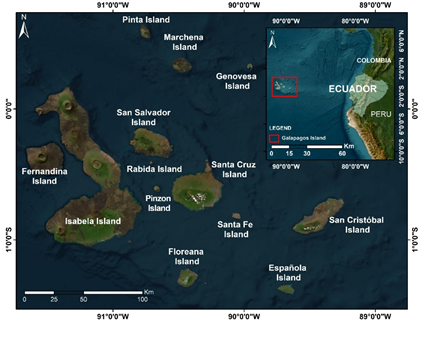
Figure 1. Geographic location of the Galápagos Islands archipelago.
Source: By Dino Carmelo Manco Jaraba, Carlos Alberto Ríos-Reyes and Oscar Mauricio Castellanos-Alarcón, january 2023.
2. The work of Charles Darwin and its
relationship to the natural and cultural heritage
The groundbreaking work of Charles Darwin has left an indelible mark on our understanding of the natural and cultural heritage. Thanks to his innovative contributions on evolution and his observations during the voyage of the HMS Beagle, Darwin's contributions span the fields of biology, geology, and cultural discourse. This exploration delves deeper into the connection between Darwin's work and the rich tapestry of both natural and cultural heritage, unraveling the various layers of influence and the legacy he has left on our perception of the world.
Charles Darwin's significant influence on natural heritage is evident in his pioneering work on evolution, particularly the revolutionary theory of evolution by natural selection (Figure 2) presented in “On the Origin of Species”. This theory has become a cornerstone in understanding the natural heritage of life on Earth, elucidating the processes through which species change over time and influencing biodiversity and the interconnectedness of life. Darwin's detailed observations during his visit to the Galápagos Islands provided invaluable insights into the natural heritage of this region. The unique ecosystems, and distinctive flora and fauna, including giant tortoises and finches, significantly contributed to his understanding of adaptation and speciation, leaving an indelible mark on the natural legacy of the islands. Beyond his biological contributions, Darwin's interest in geology, influenced by Charles Lyell's ideas (Sequeiros, 1996), further enriched our understanding of the natural history of the Earth. His study of volcanic formations and geological processes, aligned with Lyell's principles of gradual change, added a temporal dimension to our comprehension of the planet's heritage, enriching our appreciation of its geological legacy. Beyond his impact on natural heritage, Darwin's work had far-reaching consequences for scientific thought, challenging prevailing religious interpretations and contributing to a paradigm shift in the perception of the place of humanity in the natural world. This influence extends to cultural perspectives on the origin and diversity of life. The Galápagos Islands, a UNESCO World Heritage site, possess immense cultural significance due to their association with Darwin's evolutionary insights. The cultural heritage of the islands is intricately linked to Darwin´s scientific legacy and the formulation of his groundbreaking theory of evolution, influenced by Lyell's geological principles. Charles Darwin's contributions transcend the scientific realm and have become an integral part of the broader cultural discourse. His legacy not only influences the scientific community but also shapes societal conceptions of nature, evolution, and conservation. This enduring legacy contributes to discussions on the cultural importance of understanding and preserving biodiversity, emphasizing the cultural significance of their work in the broader context of human heritage.
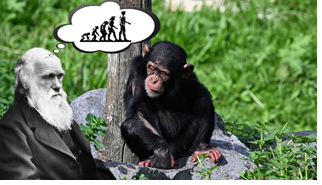
Figure. 2. Charles Darwin's revolutionary theory of evolution by natural selection.
Source: Dino Carmelo Manco Jaraba, Carlos Alberto Ríos-Reyes and Oscar Mauricio Castellanos-Alarcón, January 2023.
3. Geographic context of the Galápagos
Islands
The Galápagos Islands, located in the equatorial Pacific Ocean, form a volcanic archipelago approximately 1,000 kilometers off the coast of Ecuador in South America. This archipelago holds a unique geographical position, located at the confluence of three major ocean currents: the El Niño Current, the Equatorial Countercurrent, and the Cromwell Current. The archipelago stretches along the equator, covering an area of approximately 7,880 square kilometers. Composed of 13 main islands and numerous islets, each with distinctive geological features, the Galápagos have been declared a UNESCO World Heritage Site due to their exceptional ecological and scientific importance. The ocean currents surrounding the islands play a crucial role in their climate and biodiversity. The Humboldt Current, which originates in the south, cools the waters, creating a unique and favorable environment for marine life. Furthermore, the topography of the seabed, ranging from shallow waters to submarine abysses, contributes to the diversity and richness of marine life. The isolated location of the Galápagos has influenced the development of extraordinary biodiversity, with numerous species endemic to the archipelago and found nowhere else in the world. The geological history and unique nature of its environment have turned this archipelago into an invaluable natural laboratory for scientific research and understanding of the evolution of life on Earth. Nowhere else on the planet do so many exceptional factors converge: a volcanic landscape that seems otherworldly, beaches of immeasurable beauty, plant and animal species found nowhere else, and a turbulent history marked by visits from pirates and buccaneers.
4. Geodiversity
The Galápagos Islands, a natural laboratory of evolution, formed over millions of years due to volcanic activity, creating an archipelago of volcanic islands located in the Pacific Ocean approximately 1,000 kilometers west of the coast of Ecuador. Figure 3 illustrates a general geological map of the Galápagos Islands. From a geological perspective, the Galápagos Islands originated from submarine volcanic activity, which is believed to have begun millions of years ago due to tectonic plate displacement over a volcanic hotspot, which led to the formation of a chain of volcanic islands of varying ages (Zehetner et al., 2020). The archipelago formed by hotspot-induced volcanism on the Nazca Plate, which is moving eastward at a speed of ~51 km Ma−1 relative to the hotspot (Argus et al., 2011). Due to this tectonic configuration, the age of the Galápagos Islands´ volcanoes increases with distance from the hotspot from west to east. The westernmost island, Fernandina, is estimated to have emerged ~32 ka ago (Kurz et al., 2014), while the oldest dated lava flows on the easternmost island, San Cristóbal, are over > 2 Ma old (White et al., 1993). These islands sit atop a hotspot, where upwelling of hot material from the Earth's mantle pierces the lithosphere. As the tectonic plate moves, new islands are formed.
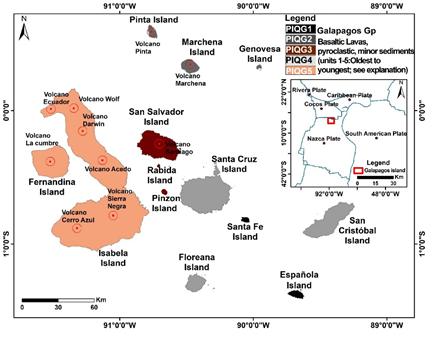
Figure 3. Geological map of the Galápagos Islands.
The islands exhibit a geodiversity of volcanic formations, from ash cones to lava flows, and each island possesses its own volcanic complex with unique characteristics (Figure 4). The Itabaca Channel (Figure 4a) connects the two main islands of Galápagos, Baltra and Santa Cruz, and is frequently crossed by ferry. This channel is crucial for facilitating transportation between the islands, allowing the transfer of passengers and vehicles, including those arriving by air at Baltra's Seymour Airport. The ferry operating in this channel connects Baltra Island, where the airport is located, with Santa Cruz Island, one of the most populated and visited islands in the archipelago. Volcanic activity in the Galápagos Islands is relatively recent. Fernandina Island is the youngest, with an estimated formation date of about 32,000 years (Kurz et al., 2014), and has experienced notable eruptions in recent decades, the most recent in 2018. San Cristóbal Island is the oldest, with lava flows dating back more than two million years old (White et al., 1993). In addition to surface eruptions, submarine eruptions have occurred in the region, which have contributed to the formation and evolution of this archipelago. Some of these islands have volcanic calderas and craters, witness to past eruptive episodes. The crater Sierra Negra on Isabela Island is one of the largest in the world. The region is seismically active due to the interaction of tectonic plates. Seismic and volcanic activity remains a distinctive feature of the Galápagos Islands. Among the unique geological formations observed there, lava pinnacles, lava arches, and lava flows stand out, contributing to shaping the landscape of these islands.
The geology of the Galápagos Islands has influenced the unique biodiversity of the region. Geological conditions have given rise to specialized habitats that have contributed to the evolution of unique species and remarkable adaptations. Volcanic activity in the Galápagos Islands has been characterized mainly by basaltic eruptions, as extensively documented in studies such as those by Reynolds and Geist (1995) and Geist et al. (2014). However, some volcanoes in the archipelago have exhibited dacites, trachytes, and rhyolites eruptions, as noted by Zehetner et al. (2020). The basalts in the Galápagos Islands predominantly originate from an isotopically depleted mantle source, and present geochemical characteristics consistent with a peridotite source, as outlined by Gibson et al. (2012). The lava emanating from these basaltic eruptions has a much lower viscosity compared to other types of lava. This characteristic allows the lava to travel greater distances and form volcanoes with much softer slopes, which favors the development of shield volcanoes (see Figure 4b). Pahoehoe-type lava flows (Figure 4c) are characterized by their smooth, glassy surfaces, and distinctive cordate structures, formed during the eruption of highly low-viscosity magmas. On the other hand, pillow lavas (Figure 4d), which form in a subaqueous environment, exhibit radial fractures and a glassy cooling edge. As the lava flows, it can create extensive lava tunnels, allowing it to remain isolated and continue flowing, as seen on the higher slopes of Santa Cruz and Puerto Ayora.
A particular geological phenomenon associated with lava flows is columnar jointing, a type of fracture perpendicular to the upper and lower surfaces of the flow resulting from the cooling process. These fractures appear as pseudohexagonal columns. Additionally, the illustration in Figure 4e illustrates marine iguanas on vesicular basalt blocks on a rocky beach. The rocky beaches of the Galápagos Islands (Figures. 4f-4g) stand out as distinctive features in the coastal landscape, contributing significantly to the unique biodiversity of the region. These beaches are formed as a result of the volcanic activity that has shaped the terrain of the archipelago. Punta Carola, shown in Figure 4h, is an example of a beautiful white sand beach, located on San Cristóbal Island. The rocky islets (Figure 4i) further enhance the maritime panorama of the archipelago. These intricate rock formations emerge from the ocean, usually composed of basalt and other volcanic rocks, offering a picturesque aspect to the seascape of the Galápagos Islands.
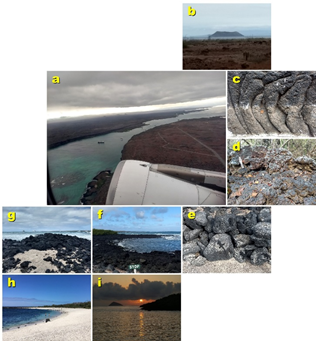
Figure 4. Geodiversity and volcanic landscapes of the Galápagos Islands.
5. Biodiversity
The Galápagos Islands are best known for their great diverse of plant and animal species. Many species are endemic, which means they are not found anywhere else in the world:
- The blue-footed booby (Sula nebouxii, Figure 5a) is a unique bird species, recognizable primarily by the intense blue color of its webbed feet. This bird is characterized by its clumsiness on land and strength and agility in the air. It is an excellent hunter, spotting its prey while flying and capturing it by diving headfirst into the ocean from heights of up to 30 meters.
- The Galápagos giant tortoise (Chelonoidis nigra, Figure 5b) is a herbivorous reptile, the largest tortoise species on Earth, known for its great longevity (approximately 100 years). There are at least 10 different species, distinguished by their size, shell shape, and geographic distribution. The number of giant tortoises in the Galápagos Islands has significantly decreased since their discovery in the 19th century.
- The marine iguana (Amblyrhynchus cristatus, Figure 5c) is the only species of marine iguana in the world; an herbivorous reptile that primarily feeds on algae and is characterized by its varied coloration (from black to bright green). This species has the ability to dive and swim for food.
- The crab (Grapsus grapsus, Figure 5d) exhibits varied coloration, ranging from red to yellow. It inhabits rocky areas near the coast, feeds on algae and small invertebrates, and is agile and quick in its movements.
- The brown pelican (Pelecanus occidentalis, Figure 5e) has a large wingspan, brown plumage, a yellow gular pouch beneath the bill, its flight is majestic and gliding, and feeds on fish, using its gular pouch to catch prey.
- The gray Darwin´s finch (Certhidea fusca, Figure 5f) is an endemic bird of the Galápagos with gray or brown plumage. It is small, with conical beak and slender legs. It is found on various islands and adapts to different habitats from the coast to the highlands. Its diet is herbivorous, consuming seeds, shoots, and fruits, with occasional insect intake. Darwin´s gray finches played a crucial role in Darwin's theory of evolution due to their morphological variation between the islands. They develop specific adaptations, such as beak shape and certain behaviors, to take advantage of available resources. While not directly threatened, habitat conservation is crucial for their survival.
- The Galápagos penguin (Spheniscus mendiculus, Figure 5g) is the only penguin that inhabits the Northern Hemisphere. It is characterized by its black plumage on the back and white on the belly. It is adapted to warm waters thanks to the Humboldt Current, and is an endemic and endangered species.
- The Galápagos cactus (Opuntia spp., Figure 5h) is an endemic species adapted to arid conditions, with flat pads, spines, and yellow flowers. It is an important food source for the land iguana, and its succulent fruit, known as "tuna," attracts giant tortoises.
- The red mangrove (Avicennia germinans, Figure 5i) forms an important coastal and marine ecosystem in the Galápagos Islands, characterized by aerial roots (pneumatophores) that allow it to breath, it provides habitat and protection for various marine species and birds, and contributes to sedimentation and island formation in the mangroves of the region.
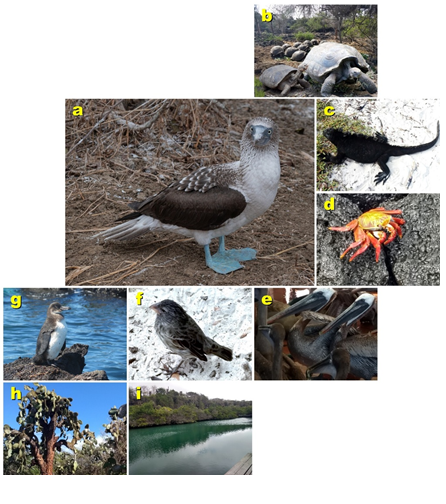
Figure 5. Iconic fauna and flora of the Galápagos Islands.
6. Current challenges
The combination of this unique geology and its exceptional biodiversity has transformed the Galápagos Islands into a natural laboratory and a destination of interest for both scientists and tourists fascinated by the history of the Earth and life on it. However, alongside this impressive geodiversity, the islands face pressing challenges. Constant volcanic activity, while sculpting the islands, exposes them to erosion, which poses a threat to fragile ecosystems and endangers endemic species. Increased tourism caries the risk of pollution, which requires efforts to manage waste and minimize the impact of human activities on the pristine environment of the islands. The growing number of visitors can lead to habitat alteration, affecting nesting sites of diverse wildlife. The Galapagos National Park Service (GNPS) and the Charles Darwin Foundation (CDF) have identified invasive species and climate change as the main drivers of biodiversity loss and disruption of ecosystem processes (Bensted-Smith et al., 2002). The introduction of invasive alien species is considered the greatest threat to Galápagos biodiversity (Snell et al. 2002; Buddenhagen et al., 2004; Watkins and Cruz 2007; Guézou and Trueman, 2009; Toral-Granda et al., 2017; Jaramillo et al., 2018). Managing human interactions with the environment is crucial for the conservation of the islands. Understanding and addressing these challenges is fundamental to the long-term preservation of the unique geological and biological heritage of the Galápagos Islands.
7. Biodiversity
The Galápagos Islands have a great diversity of coastal features due to their volcanic origin and tectonic activity. Along the islands, beaches with both white and black sand can be found, as well as bays formed by volcanic activity. Coastal areas can also have steep cliffs, especially on the older islands. Various rock formations such as arches, caves, and lava pillars are found along the coastline. Small coves and inlets form in areas protected from the direct impact of the ocean, providing safe habitats for diverse marine life. Due to volcanic activity, some coastal areas consist of extensive lava platforms that reach the sea. In certain places, underwater hot springs attract a rich marine life. Underwater cave formations provide unique habitats for diverse marine species. The Galápagos Islands are famous for their unique biodiversity and endemic species. The giant tortoises of the Galapagos Islands are iconic and have contributed significantly to the fame of the archipelago. Marine iguanas are the only iguanas that swim in the ocean and have adapted to feed on seaweed. Different species of land iguanas have adapted on each island, evolving to survive in dry, arid environments, and feeding primarily on cacti. Blue-footed boobies are vibrantly colored seabirds that perform spectacular dives to catch fish. One of the few albatross colonies (known for their elaborate courtship displays) is found in the Galápagos Islands. Flightless cormorants have evolved in a unique way, losing their ability to fly but becoming skilled divers that feed on fish. Darwin's finches played a crucial role in the development of Charles Darwin's theory of evolution. The Galápagos Islands are home to colonies of sea lions that often interact with visitors and are a popular attraction for snorkelers. This archipelago is home to the only penguins in the Northern Hemisphere, which are smaller than other penguin species. The waters of the Galápagos Islands are home to hammerhead sharks, which can be observed during dives. These are just a some of the many fascinating species found in the Galápagos Islands, contributing to its status as a place of great importance for biodiversity and scientific research.
A variety of adventure tourism activities such as kayaking, diving, snorkeling, surfing, mountain biking, and hiking can be enjoyed In the Galapagos Islands archipelago. These activities allow tourists to connect with nature and the sea, exploring the numerous tourist attractions of the archipelago. This region is home to diverse endemic species, including giant tortoises, marine iguanas, penguins, and birds. The islands feature unique volcanic landscapes, including craters, lava tunnels, and fascinating rock formations. Diving and snorkeling are among the most enjoyable activities, offering the chance to explore coral reefs and observe tropical fish, sharks, mating sea turtles, and many other marine species. Giant tortoises are one of the most iconic symbols of the Galapagos Islands, with each island having its own species. The penguins in this archipelago are the only ones found in the northern hemisphere and are an endemic species. The Galapagos Islands are a paradise for birdwatching, with unique species such as blue-footed boobies, albatrosses, frigate birds, and cormorants. Whale watching is also possible, including watching of humpback whales and false killer whales. The islands have white and black sand beaches that offer a relaxing atmosphere. On some islands there are research and conservation centers where visitors can learn more about the flora and fauna of the Galapagos, as well as conservation efforts. In addition, various hiking trails on any of the islands allow visitors to explore the natural beauty and observe wildlife. Galapagos cuisine is distinguished by the consumption of the freshest and cleanest fish and seafood on the continent. It is important to note that the Galapagos Islands are a protected area, and tourist activities are regulated to preserve its fragile ecosystem. Visitors must adhere to sustainable standards and practices to minimize their impact on the nature of the islands. The Galapagos Islands have traditionally ranked highly among the world's leading ecotourism destinations, and in recent years have focused on embracing accessible tourism as the ideal for these enchanting islands.
The Galápagos Islands, renowned for their unique biodiversity and extraordinary geological formations, face potential environmental challenges due to tourism, including reports of plastic pollution. Geo-tourism emerges as a promising solution, offering alternatives that balance conservation with the tourist experience. The following geo-tourism strategies work together to preserve the uniqueness of the Galápagos Islands while providing an enriching and environmentally responsible tourist experience.
7.1 Integrated geo-tourism and technology
initiatives
To optimize the geo-tourism experience, the development of specialized routes that highlight prominent geological features such as volcanic formations, lava pinnacles, and craters are promoted in this study. These carefully designed itineraries aim to provide both educational and interactive experiences, fostering a deep appreciation and understanding of the environment of the islands. The design of these tourist routes prioritizes minimization of interference with sensitive ecosystems, through clearly marked trails that guide visitors and prevent them from staying into fragile habitats. Furthermore, the approach presented in this study includes leveraging technology to enhance the overall geo-tourism experience. The development of interactive mobile applications that offer detailed geological information during visits is proposed, as well as the integration of augmented reality which will allow visitors to explore geological features a more immersive way, fostering a deeper understanding of the unique geological landscape of the islands. This technological integration aims to provide a seamless blend of educational and technological elements, enriching the geo-tourism experience.
7.2. Responsible tourism
Promoting responsible tourism practices is fundamental for the preservation of the distinctive native flora and fauna of the Galápagos Islands. A key aspect of this initiative is to provide comprehensive environmental education to visitors. This educational initiative aims to highlight the crucial significance of conservation efforts and to instruct tourists on how to minimize their ecological footprint during their stay on the islands. Environmental education is a powerful tool for raising visitors awareness about the ecosystem fragility of the Galápagos Islands. By providing visitors with knowledge about the unique biodiversity, ecosystems, and the delicate balance that sustains these natural wonders, tourists can develop a deep appreciation for the importance of conservation. Moreover, it fosters a sense of responsibility, empowering them to actively contribute to the protection of the natural resources of the islands. To achieve these educational objectives, it is essential to implement informative programs and materials that are easily accessible to tourists. This may include brochures, guided tours, and interactive exhibits providing information on the ecological complexities of the islands.
By incorporating multimedia elements, such as videos and virtual reality experiences, educational outreach can be made more engaging and impactful, catering to diverse learning preferences of visitors. Emphasizing the importance of conservation implies clarifying the potential consequences of irresponsible tourism practices. Tourists should be made aware of how their actions, such as littering, disturbing wildlife, or straying from designated paths, can have lasting and detrimental effects on the fragile ecosystems of the Galápagos. Linking these actions to tangible examples and showcasing successful cases of responsible tourism can further reinforce the positive impact visitors can have on the preservation of the biodiversity of the islands. In addition, educating visitors on how to minimize their impact requires providing practical guidelines and fostering a culture of environmental responsibility. This includes promoting the use of organic products, waste reduction practices, and guidelines for responsible wildlife observation. By integrating these principles into the overall tourist experience, visitors can actively participate in the sustainable enjoyment of the Galápagos Islands contributing to their long-term ecological health.
7.3. Visitor limitations
The implementation of visitor limitations is a fundamental strategy to safeguard the integrity of the ecologically sensitive areas of the Galápagos Islands. The implementation of daily or seasonal quotas, along with with the establishment of reservation systems, is an effective means to regulate and monitor the flow of visitors to these fragile ecosystems. Imposing daily visitor quotas helps mitigate the impact of human presence in delicate environments. By defining a maximum number of people allowed to enter these areas on a given day, authorities can prevent overcrowding, minimizing pressure on the ecosystems and wildlife. Seasonal limitations, adapted to the natural rhythms and reproductive cycles of the local flora and fauna, further contribute to the sustainable management of tourist activities.
In addition to these restrictions, the introduction of booking systems adds an additional layer of control. This proactive approach allows for the advance distribution of visitor permits, ensuring that the number of people accessing sensitive sites aligns with their ecological carrying capacity. Booking systems not only help to avoid tourism overexploitation, but also facilitate effective monitoring and enforcement of regulations leading to a more streamlined and responsible tourist experience. Furthermore, integrating technology into booking systems can improve their efficiency. Online platforms and digital applications can be used to streamline the booking process, provide real-time information on visitor numbers, and communicate conservation guidelines principles directly to the tourists. This not only simplifies logistics for both visitors and authorities but also facilitates the dissemination of educational content to further promote responsible tourism practices. It is essential to involve local communities, tour operators, and relevant stakeholders in the formulation and implementation of these limitations. Collaborative efforts ensure that regulations are understood, accepted, and enforced effectively. Additionally, continuous monitoring and periodic reviews of visitor limitations allow for adaptive management, allowing authorities to adjust quotas and policies based on evolving ecological conditions and scientific assessments.
7.4. Sustainable infrastructure
Building tourism infrastructure with a strong focus on sustainability is vital for responsible tourism, especially in ecologically sensitive regions like the Galápagos Islands. Prioritizing the reduction of natural resource consumption and the integration of eco-friendly technologies should be central to these development efforts. Promoting eco-certifications for accommodations and facilities becomes a crucial step in fostering sustainable tourism. In the context of minimizing environmental impact, sustainable construction practices are key. This involves using local, recycled, or renewable materials in construction projects to reduce the ecological footprint. Incorporating energy-efficient designs, such as the integrating solar panels and rainwater harvesting systems, contributes to a more environmentally conscious infrastructure. Waste recycling facilities can also be incorporated to manage and minimize the ecological consequences of tourism activities. An important aspect of sustainable infrastructure is the promotion of eco-certifications for accommodations and facilities. Obtaining these certifications not only reflects a commitment to environmental responsibility but also assures visitors that their stay adheres to sustainability principles. Beyond construction considerations, sustainable infrastructure development should prioritize practices that mitigate disturbances to local ecosystems. This involves thoughtful site planning to prevent alteration of natural habitats, implementation of effective waste management systems, and the promotion of water conservation measures to safeguard local water resources. The participation of local communities in the planning and execution of sustainable infrastructure projects is fundamental. Collaboration ensures that development aligns with the cultural and environmental values of the community, fostering a sense of ownership and support for these initiatives. Additionally, the involvement of local stakeholders can generate employment opportunities, skill development, and economic benefits for the community. Continuous monitoring and assessment of the environmental impact of tourism infrastructure is imperative. Regular audits and assessment allow for the identification of areas for improvement, facilitating adaptive management and the incorporation of new technologies or practices as they become available.
7.5. Waste management
The implementation of robust waste management policies and programs is essential to mitigate the environmental impact of tourism in the Galápagos Islands. A comprehensive approach to waste management is crucial for reducing the amount of waste generated by tourists, and a key component of this strategy involves promoting the use of reusable and recyclable packaging while actively discouraging the consumption of single-use plastics. Encouraging the adoption of reusable and recyclable packaging is a fundamental step in minimizing the environmental footprint of tourism activities. This involves educating both tourists and local businesses about the benefits of choosing sustainable alternatives and providing practical information on where and how to acquire them. By facilitating easy access to reusable items such as water bottles, bags, and containers, tourists can actively participate in waste reduction initiatives. Simultaneously, there is an urgent need to discourage the use of single-use plastics, which pose a significant threat to the delicate ecosystems of the Galápagos Islands. Implementing awareness campaigns and disseminating key information about the environmental consequences of single-use plastics can play a crucial role in shaping tourist behavior.
Additionally, local businesses can contribute by opting for alternatives to disposable plastics and encouraging customers to make eco-friendly choices. Collaboration with local authorities, businesses, and communities is essential to strengthen these efforts. Establishing regulations that restrict or prohibit certain single-use plastics can provide a legal framework to support waste reduction initiatives. Partnerships with local businesses can facilitate the integration of sustainable practices and ensure the effective implementation of waste management policies at different tourist touchpoints. Well-designed and strategically located waste collection and recycling facilities are essential for the success of waste management programs. Tourist sites, accommodations, and public areas should be equipped with clearly marked containers for different types of waste, accompanied by educational signage to guide visitors in proper disposal practices. Continuous monitoring and assessment of the effectiveness of waste management initiatives are imperative. Regular audits and feedback mechanisms can provide information on the success of implemented strategies, allowing for adjustments and improvements as needed. Continuous public awareness campaigns can also be conducted to remind both tourists and locals of the collective responsibility to preserve the pristine environment of the Galápagos Islands.
7.6. Educational geo-tours
Introducing educational geo-tours, guided by expert professionals, is an effective initiative to educate visitors about the distinctive geological features of the Galápagos Islands. These geo-tours should be designed not only to showcase the fascinating geological history of the islands but also to integrate educational programs that emphasize the crucial importance of environmental conservation and protection. The expert guides who lead these geo-tours play a key role in providing in-depth insights into the geological wonders of the Galápagos. Their expertise allows them to explain the unique formations, volcanic processes, and tectonic phenomena that have shaped the islands over millions of years. By conveying this information in an engaging and accessible way, visitors can develop a deep appreciation for the geological significance of the Galápagos archipelago. Furthermore, the educational component of these geo-tours should extend beyond geological facts to encompass broader ecological principles. Guides can emphasize the interconnectedness of geological processes with the ecosystems of the islands, highlighting how geological factors influence the distribution and adaptation of flora and fauna. This integrated approach fosters a holistic understanding of the delicate balance that sustains Galápagos biodiversity.
To reinforce the message of conservation and environmental protection, geo-tours educational programs should address the impact of human activities on the geology and ecosystems of the islands. Visitors can become aware of how their presence and behavior can influence the fragile environment and contribute to long-term degradation. By connecting geological knowledge with real-world examples of successful conservation efforts, geo-tours inspire tourists with a sense of responsibility to actively contribute to the preservation of the islands. Incorporating interactive elements into geo-tours, such as hands-on demonstrations, multimedia presentations, and interpretive signage enriches the educational experience. These tools not only adapt to diverse learning styles but also make the information more accessible and memorable for a wider audience. Collaboration with local educational institutions, environmental organizations, and park authorities is essential for the development and implementation of these educational geo-tours. By pooling resources and expertise, stakeholders can create a comprehensive and accurate description of the geological and ecological significance of Galápagos Islands. This collaboration also ensures that educational content is aligned with ongoing conservation initiatives and scientific research.
7.7. Environmental monitoring
Establishing environmental monitoring programs is essential for the ongoing assessment of the impact of tourism on the ecosystem in the Galápagos Islands. The use of technology to collect data on crucial factors such as water quality and biodiversity is fundamental for making informed decisions and adapting conservation strategies. By implementing environmental monitoring initiatives, authorities can systematically monitor changes in the environment, allowing early detection of potential issues caused by tourism activities. Regular water quality assessments ensure the preservation of marine ecosystems, while biodiversity monitoring helps safeguard the unique flora and fauna of the islands. The use of technology, such as remote sensing devices and data collection tools, facilitates efficient and accurate data collection on different environmental indicators. This data-driven approach provides a comprehensive understanding of ecological dynamics, facilitating the identification of potential stressors and the formulation of targeted conservation measures. The capacity of real-time technological monitoring systems allows for prompt responses to emerging environmental challenges. If negative trends or anomalies are detected, authorities can quickly adjust tourism practices, enforce regulations, or implement conservation measures to mitigate further impact on the delicate ecosystems of the Galápagos Islands. Furthermore, the data collected can serve as a valuable resource for scientific research, providing information on the long-term effects of tourism on the environment. This information not only contributes to the formulation of evidence-based policymaking but also improves the understanding of the complex interactions within the ecosystem. Collaboration with research institutions, environmental organizations and local communities is essential for the success of environmental monitoring programs. By involving various stakeholders, a shared commitment to the sustainable management of tourism and the protection of the unique biodiversity of the Galápagos Island can be generated'.
7.8. Community engagement
Involving local communities in tourism-related decision-making is essential to promoting sustainable development and conservation in the Galápagos Islands. By actively involving residents in these initiatives, the benefits of tourism extend to those who call the islands home are ensured. Local communities possess valuable knowledge of the social and environmental dynamics of the Galápagos. Their participation in decision-making processes ensures that plans and policies align with cultural values, economic needs, and environmental priorities. Furthermore, involving community members strengthens their sense of ownership and responsibility for the sustainable development of their territory. To facilitate meaningful community participation, transparent communication channels should be established. Regular consultations, public meetings, and collaborative workshops provide platforms for residents to express their concerns, share traditional knowledge, and contribute ideas to guide tourism-related initiatives. This open dialogue fosters a sense of inclusivity and empowers community members to play an active role in decision-making. Community engagement goes beyond consultation including the active participation of residents in conservation efforts. By involving residents in habitat restoration, wildlife monitoring, and environmental education programs, a sense of shared responsibility is created for the protection of the unique biodiversity of the islands. Additionally, these initiatives can provide economic opportunities for community members by creating a direct link between conservation and improved livelihood. Promoting sustainable tourism practices in local communities is another vital aspect of community engagement. Educating residents on the importance of responsible tourism and training them on sustainable business practices can empower them to contribute positively to the tourism industry while preserving their natural and cultural heritage. Collaboration between local communities, government authorities, and non-governmental organizations is key to the success of community engagement efforts. This multisectoral approach ensures that decisions are well-informed, inclusive, and aligned with broader conservation goals. It also facilitates the allocation of resources to support community initiatives and capacity-building programs.
8. Geo-education Initiatives
Geo-education initiatives are key pillars to ensure the long-term conservation of the Galápagos Islands. These educational programs are designed to provide in-depth knowledge into the unique geology of the archipelago, fostering a sense of environmental responsibility among visitors. These comprehensive geo-education initiatives seek not only to impart knowledge about the geological wonders of the Galápagos but also to inspire a sense of responsibility and care, ensuring that visitors actively participate in the preservation of this unique natural heritage.
8.1. Lectures by local geologists
The presence and contribution of local geologists are crucial in contexts like the Galápagos Islands for several fundamental reasons. First their specialized expertise allows for a detailed understanding of the specific geological processes that have shaped these unique islands. Geologists can provide accurate information on volcanic activity, plate tectonics, and the formation of distinctive coastal features, thus enriching a general understanding of the geological heritage of the region. They also provide a valuable educational component. Their ability to effectively communicate complex geological concepts during lectures and educational activities contributes significantly to public awareness and appreciation of the importance of geodiversity. In this way, they foster a deeper connection between visitors and the natural environment, promoting a sense of responsibility and respect for the geological heritage of the Galápagos Islands. Finally, in a context of conservation and sustainability, the presence of local geologists can inform and support tourism and management practices that minimize environmental impact. Their expertise can guide geo-education and geo-tourism initiatives that seek to balance the tourist experience with the long-term preservation of the geodiversity of the archipelago. In short, geologists are essential for the enriching and responsible exploration of the geological heritage, as well as for promoting the long-term protection and sustainability of the Galápagos Islands.
8.2. Interactive workshops
Hands-on workshops serve as dynamic educational platforms, that immerse visitors in a tactile exploration of geological processes. These interactive sessions aim to go beyond theoretical understanding, offering participants a firsthand and tangible experience. The activities in these workshops encompass a range of engaging experiences, from the detailed analysis of volcanic rocks, providing insights into their composition and origin, to simulated demonstrations that vividly illustrate the forces involved in tectonic movements. Furthermore, these workshops go beyond mere observation, incorporating hands-on experiments that allow participants to actively explore the complex mechanisms influencing island formation. By providing opportunities for direct interaction, visitors gain a deeper understanding of the geological dynamics that have shaped the Galápagos Islands over time. Whether through hands-on rock analysis, simulations of tectonic processes, or immersive experiments, the workshops create an interactive and enriching environment that fosters a comprehensive understanding of the geological heritage of the archipelago.
8.3. Participatory activities
The incorporation of participatory activities in the geo-education framework ensures active participation, fostering a deep connection between visitors and the geological wonders of the Galápagos Islands. Tours, guided by expert geologists, are a central component of these activities, allowing visitors to actively explore geological sites and gain hands-on experience in geological observation and interpretation. These tours go beyond traditional educational methods, encouraging direct interaction with unique geological features. Through these guided tours, participants not only contemplate the extraordinary landscapes but also actively contribute to their understanding thanks to the expert guide. The interactive nature of participatory activities ensures that visitors develop a personal connection with the geological history of the islands, enhancing their overall appreciation for the importance of geodiversity. This approach not only enriches the learning experience but also reinforces the importance of actively preserving the geological heritage for future generations.
8.4. Interpretive centers
In the field of geo-education initiatives, the creation of interpretive centers is essential. These centers, strategically equipped with multimedia displays, elaborate models, and engaging interactive exhibits, serve as educational hubs in the Galápagos Islands. Their purpose is to offer visitors a comprehensive and immersive learning experience providing detailed information on various aspects, such as the geological history of the islands, their rich biodiversity, and ongoing conservation efforts. Through these interpretive centers, visitors can delve into the intricate connections between geodiversity and biodiversity, fostering a greater appreciation of the unique natural heritage of the Galápagos.
8.5. Collaboration with schools and universities
Collaboration with schools and universities is fundamental for these geo-education initiatives, emphasizing a commitment to fostering a deep understanding of the geological significance of the Galápagos Islands among younger generation. Through strategic partnerships with educational institutions, the aim is to develop curricula that seamlessly integrate with existing academic frameworks. These programs are meticulously designed to align with academic standards, ensuring that students at various educational levels receive a comprehensive and specialized geological education. By incorporating interactive and immersive elements into these programs, the objective is to make the learning experience engaging and memorable, sparking curiosity and a passion for geological exploration. In collaboration with educators, geologists, and curriculum specialists, these programs will be tailored to address specific geological concepts relevant to the Galápagos Islands. The goal is not only to convey scientific knowledge but also to instill appreciation for the geological heritage of the islands, encouraging students to become guardians of these unique environments. As part of these collaborations, the organization of educational excursions and visits that allow students to witness firsthand the geological wonders of the Galápagos Islands are envisioned. By connecting theoretical knowledge with hands-on experiences, students will gain a deeper understanding of geological processes and their impact on formation and biodiversity of the islands. Furthermore, the collaborative efforts of this proposal extend beyond classroom settings, incorporating virtual learning opportunities, webinars, and interactive online resources. This multifaceted approach ensures that the benefits of geological education reach a broader audience, transcending geographical limitations and providing a valuable resource for educators worldwide. Therefore, the collaboration with schools and universities is not merely an educational initiative but a commitment to shaping the next generation of environmentally conscious individuals who understand and appreciate the complex geological richness of the Galápagos Islands.
8.6. Educational materials
The creation of comprehensive educational materials plays a key role in disseminating knowledge about the geological importance of the Galápagos Islands. These materials, which include carefully crafted brochures, informative pamphlets, and guidebooks, are designed to serve as valuable resources for visitors during their stay. These educational materials delve into the intricate geological processes that have shaped the islands, explaining volcanic origins, tectonic activities, and the formation of distinctive coastal formations. By offering engaging and accessible content, these materials aim to enhance visitors' understanding of the geodiversity of the islands, fostering a deeper connection with the unique geological wonders they encounter. Strategically distributed upon visitors' arrival, these materials serve as companions during their exploration of the Galápagos, providing context and enriching their experiences at each geological site. The aim is to empower visitors with knowledge, enabling them to appreciate the geological heritage of the islands and inspiring a sense of responsibility towards their conservation.
8.7 Online learning platforms
The creation of online learning platforms represents a fundamental step in democratizing access to geo-education, transcending geographical boundaries and reaching a global audience. These platforms will serve as virtual gateways to the unique geodiversity of the Galápagos Islands, providing an enriching educational experience for people around the world. Virtual lectures by expert geologists are a central element to these online platforms, offering in-depth insights into the geological processes that have shaped the islands. These lectures will cover topics ranging from the volcanic origin of the Galápagos to current tectonic activity, providing a comprehensive understanding of the geological history of the islands. Interactive modules will be designed to actively engage students, allowing them to explore geological concepts through simulations, 3D models, and interactive exercises. This hands-on approach, facilitated by cutting-edge technology, ensures that students can interact with and understand complex geological phenomena, fostering a deeper appreciation for the geodiversity of the Galápagos. Multimedia resources, including high-quality images, videos, and infographics, will complement the educational content, offering a visually immersive experience. Students will have the opportunity to virtually explore geological formations, witness volcanic landscapes, and observe the unique flora and fauna that thrive in these environments. In addition, these online learning platforms will be flexible, adapting to diverse learning styles and preferences. Students can access the content at their own pace, allowing for a personalized and self-directed learning experience. This adaptability ensures that people with varying levels of prior knowledge and interests can benefit from the educational offerings. The development of online learning platforms is not only a response to the challenges posed by physical limitations but also a strategy to make geo-education inclusive and accessible to a global audience. By harnessing the power of digital technology, the aim is to inspire curiosity, instill environmental consciousness, and share the geological wonders of the Galápagos Islands with students from around the world.
8.8. Integration with conservation programs
The integration of geo-education initiatives with conservation programs represents a symbiotic approach that recognizes the inseparable link between geodiversity and biodiversity in the Galápagos Islands. This strategic alignment seeks not only to educate visitors about the geological significance of the islands but also to empower them as active participants in ongoing conservation initiatives. As visitors engage in geo-educational experiences, they will gain a deep understanding of how the geological features of the Galápagos contribute to the unique ecosystems and species that inhabit these islands. This knowledge serves as a foundation for fostering a sense of responsibility and environmental care among visitors. A key aspect of this integration is encouraging visitors to actively contribute to conservation initiatives during their stay in the Galápagos and beyond. This can involve participatory activities such as habitat restoration projects, biodiversity monitoring, or even direct involvement in ongoing research initiatives. By becoming direct contributors to conservation, visitors not only deepen their connection with the islands but also play a tangible role in preserving the delicate balance between geodiversity and biodiversity. Furthermore, integration with conservation programs extends beyond the visitor experience. It involves collaboration with local communities, researchers, and environmental organizations to implement sustainable practices and initiatives. This collaborative approach ensures that the benefits of geo-education extend to the broader ecosystem and contribute to the long-term conservation goals of the Galápagos Islands. Therefore, the integrated synergy of geo-education with conservation programs transforms visitors into active conservation ambassadors. By fostering a sense of shared responsibility, this approach seeks to generate a lasting impact on the preservation of the Galápagos Islands' geological and biological marvels, enduring their legacy for future generations.
9. Geo-conservation
The Galápagos Islands are recognized for their extraordinary geodiversity and biodiversity (Hughes, 2000; Carrion-Mero et al., 2018; Zehetner et al., 2022; Dueñas et al., 2021; Jones et al., 2021). Undoubtedly, this region, which is seismically active and has experienced recent eruptions, constitutes an exceptional place for studying geodiversity due to its volcanic origin and ongoing geological activity. The presence of ash cones, lava flows, volcanic calderas, and other unique formations offers a rich variety of geological features. The biodiversity of the Galápagos Islands is amazing and unique in the world. Geodiversity has given rise to specialized habitats that have contributed to the evolution of unique species and remarkable adaptations. This region is home to iconic animals such as giant tortoises, marine iguanas, sea lions, endemic birds like finches, and many other species adapted to specific conditions. However, the Galápagos Islands also have a vast and rich tangible and intangible cultural heritage. Tangible heritage includes the Charles Darwin Research Station and other research centers where scientific work is conducted to understand and conserve biodiversity, natural history museums exhibiting unique fauna and flora specimens, photographs and videos documenting landscapes, people, and buildings, and articles, books, and journals that compile all the knowledge generated. Intangible heritage encompasses the knowledge of local inhabitants, oral histories and narratives, the expertise of tour guides, and local festivities.
These unique characteristics have led to the recognition of the Galápagos Islands as a site of global importance, obtaining UNESCO World Heritage status. However, despite their significance, the islands face environmental challenges (Taboada et al., 2016; Jones et al., 2021; Ramon-Gomez et al., 2024), such as erosion, pollution, and habitat alterations, highlighting the need for sustainable approaches like geo-tourism and geo-education for conservation. In his expression "conservation against nature," Grenier (2007), criticizes the way conservation is carried out in the Galápagos Islands. Despite being a UNESCO World Heritage Site, and having a national park with international assistance, the accelerated connection of the archipelago with the Ecuadorian mainland and the global market has led to a situation where protected nature is subject to the demands of profitability and the commercialization of places. This, in turn, would have catastrophic consequences for the ecosystems and inhabitants of the archipelago. The criticism points to the contradiction between the conservation goal and the reality of the negative impact that economic and tourism pressures have on the natural environment. Instead of contributing to the preservation of the natural and cultural heritage of the archipelago, the current situation is fostering the standardization and commercialization of tourist sites. The preservation of natural and cultural heritage in ecosystems such as the Galápagos Islands, aimed at providing services and ensuring sustainable use, is essential.
This commitment involves maintaining these elements in their while humans are not intrinsic to this ecosystem, interaction is necessary to foster the development of an environmentally sustainable ecological-economic system (Galápagos National Park Directorate, 2014). This approach is considered the only way to continuously benefit from the abundant and diverse flow of tourism services that the Galápagos Islands generate for society. In this context, it is imperative to strengthen the comprehensive understanding of geodiversity, biodiversity, and cultural heritage in this exceptional territory, incorporating preservation approaches and practices to ensure its lasting protection. The effectiveness of conservation efforts depends on the active participation of the local community. The proposed initiatives seek to involve residents in geo-tourism and geo-education activities, fostering a mutually beneficial synergy for both visitors and the local population. Strategic partnerships with schools, community organizations, and local leaders will reinforce the interconnection between tourism and conservation, creating a collaborative approach to safeguard the unique geological and biological heritage of the Galápagos Islands.
10. Issue and solutions: Plastic pollution
in the Galápagos Islands
Since the beginning of this century, a remarkable growth global population has been witnessed, leading to a significant increase in waste generation on our planet. This increase has resulted in a worrying escalation in marine pollution, mainly due to uncontrolled accumulation of plastic waste (Figure 6). This phenomenon has had a significant impact on the biodiversity and marine ecosystems of the different oceans of the Earth. The magnitude of this ecological damage has attracted international attention, triggering coordinated responses to counteract the environmental impact this calamity causes on marine fauna, flora, and the global food chain.
The presence of plastic waste in the marine environment has adverse consequences for various animal species. In this aquatic context, plastic waste poses a significant threat to marine life. Seabirds such as albatrosses and seagulls may ingest small fragments of plastic, mistaking them with food, which leads to health problems, digestive blockages and, in some cases, death. Fish can ingest plastic particles directly or indirectly. As plastics break down into microplastics, they can contaminate fish tissues, thus affecting the entire food chain. Sea turtles may ingest jellyfish-like plastic bags as part of their diet, causing intestinal blockages and other health problems. Marine mammals such as seals, sea lions, whales, and dolphins can become entangled in plastic items like abandoned fishing nets, resulting in injuries, suffocation, or drowning. Marine invertebrates such as crabs, mollusks, and corals may suffer negative impacts due to the accumulation of plastic waste in their habitats.
On the one hand, plastic pollution in oceans affects a wide variety of marine flora. This contamination can affect phytoplankton (a group of microscopic plant organisms that float on the water surface and form the basis of the marine food chain) in various ways, although the direct interaction between plastic and phytoplankton is an area of ongoing research. Plastic pollution can affect algae by blocking the sunlight needed for photosynthesis, thus limiting their ability to grow and contribute to the balance of the marine ecosystem. The presence of plastic waste in coastal areas can have negative impacts on seagrasses, causing physical damage to submerged plants, as well as blocking sunlight and releasing toxic chemicals from plastic, which can affect the health and function of seagrasses. Similar to algae, plastic pollution can interfere with the photosynthesis of macroalgae by blocking sunlight. In addition, microplastics resulting from the breakdown of larger plastics can be ingested by macroalgae, potentially harming their health and the health of organisms that depend on them. Coastal and estuarine plastic pollution can affect mangroves by accumulating in their roots and substrate, hindering their growth and negatively impacting associated biodiversity. On the other hand, the release of toxic chemicals from plastics can have harmful impacts on these ecosystems.
Accidental ingestion of plastics, entanglement, and degradation of marine habitats are some of the ways marine fauna is affected. These impacts not only threaten the survival of individual species but also have consequences throughout the food chain and can affect marine ecosystems as a whole. Plastic pollution can affect these forms of marine flora in a variety of ways, from blocking sunlight to releasing toxic chemicals as plastics decompose. This, in turn, has a negative impact on organisms that depend on these plants for their survival, affecting the entire marine food chain. Preserving the health of the oceans is a crucial for human survival, given their fundamental role as climate regulators and mitigators of global warming. The contribution of the oceans to the well-being of the planet is undeniable, with their exceptional capacity to generate approximately 50% of the oxygen we breathe. However, their positive impact is not limited to that. The oceans play a key role in absorbing around 25% of global carbon dioxide (CO2) emissions, which makes them real saviors by mitigating the impact of this gas on the atmosphere and contributing significantly to the regulation of climate change. Besides being the lungs of the planet and guardians of climatic balance, the oceans play an essential role in global food security. These vast aquatic ecosystems are home to a diversity of marine life that constitutes a vital source of food for countless communities worldwide. Fishing and aquaculture not only sustain the diets of many populations but also support local economies and contribute to the cultural richness of diverse coastal communities. In this sense, preserving the health of the oceans not only ensures global environmental well-being but also safeguards food security and economic prosperity for numerous communities around the world.
Plastic in the oceans is commonly classified into two categories: macro-plastics and microplastics, distinguished by their size. Macro-plastics include items such as bags, bottles, containers, and fishing nets, among others. These can either float on the surface or sink, making them relatively easier to detect and, in some cases, collect compared to microplastics. microplastics are smaller and can be found in higher concentrations, posing an additional challenge for their identification and management. It is essential to note that macro-plastics, , have the ability to break down into smaller fragments over time, thereby contributing to the growing problem of microplastics in the oceans. Notable examples of this phenomenon include microplastic particles released from industrial products such as synthetic clothing or tires. This complex dynamic underscore the need to address both macro-plastics and microplastics to effectively combat plastic pollution in the oceans. The presence of plastic waste in the oceans has severe consequences for marine life and aquatic ecosystems. Marine animals, mainly fish and mammals often mistake these plastic wastes for food, especially when they contain traces of food. This confusion can lead to the ingestion of microplastic particles or entanglement in macro-plastic particles, causing damage at an individual level and affecting food chains. The accidental ingestion of these plastic wastes and entanglement in macro-plastics can have serious repercussions, ranging from digestive problems to physical injuries, thereby disrupting the balance of marine communities and compromising the health of aquatic ecosystems as a whole.
The impact of plastic on the oceans is a multifaceted, affecting not only global warming by contributing to rising ocean surface temperatures but also posing significant threats to food security and human health. Microplastics, frequent carriers of toxic pollutants, represent a real risk by entering the food chain through the fish people consume. These tiny plastic fragments, which act as endocrine disruptors, present dangers to both humans and marine life. Additionally, plastic particles exhibit a unique chemical property as they attract and accumulate hydrophobic contaminants from seawater, acting as true chemical sponges for toxic substances from agriculture and industry. This phenomenon facilitates the integration of these pollutants into the marine food chain, from microplankton, the basic food source of the ocean, to marine life in general. The presence of plastic has been observed even in microplankton, threatening fish and seabirds that mistake it for food. The ingestion of these tiny plastic particles, as well as the entanglement in abandoned, lost, or discarded fishing gear, contributes to starvation and severely impacts marine biodiversity. Taken together, these problems emphasize the urgent need to address plastic pollution in a comprehensive manner, considering its multiple impacts on marine ecosystems and human health. Waste management in the Galápagos Islands has become increasingly important in recent years due to the growth of the local population and tourism, which has placed significant pressure on the existing infrastructure. Between 2010 and 2019, daily solid waste generation increased from approximately 18.8 tons to 28.6 tons (Marti, 2025), reflecting this trend. In response, institutional programs and regulatory frameworks have been implemented to minimize environmental impact on this fragile ecosystem. Since 2006, the introduction of differentiated waste collection systems has achieved nearly 100% coverage in source separation, enabling the effective recycling of materials such as cardboard, glass, and plastic (WWF and Toyota, 2010). In Santa Cruz, more than 50% of waste is recycled through sorting and artisanal recycling processes, such as glass reuse. In addition, initiatives such as the Coastal Cleanup Program have collected up to 7.2 tons of waste in remote areas of Isabela Island, highlighting inter-institutional efforts to protect sensitive areas.
However, critical challenges persist, such as the collapse of the landfill in San Cristóbal, which, coupled with the limited enforcement of regulations on single-use plastics, underscores the urgent need to strengthen collection, recycling, and final disposal systems to ensure the environmental sustainability of the archipelago (WWF and Toyota, 2010). Geo-education offers an interesting alternative for addressing the growing concern about the presence of plastic in the ocean, as consequence of the global population explosion that has generated a greater volume of plastic waste, endangering marine ecosystems and the survival of species living there. The design of geo-education activities to combat plastic pollution in the Galápagos Islands should focus on raising awareness, promoting sustainable practices, and fostering community participation.
Awareness workshops will educate people about plastic pollution, its impacts on the marine environment, and the importance of conservation in the Galápagos Islands through informative talks, multimedia presentations, testimonials from local experts, and visits to affected areas. Beach cleaning and plastic waste collection will actively involve the community, organizing regular cleanup events with the participation of local residents, tourists, and environmental organizations, and characterizing the types and quantities of plastics collected. Developing recycling and plastic reduction programs for everyday life is crucial, setting up recycling points, providing information on sustainable practices, conducting campaigns to reduce single-use plastic , and collaborating with local businesses to implement sustainable packaging strategies. Educational activities in schools will promote environmental education within curriculum empowering children to become agents of change through the development of educational materials, lectures in schools, artistic projects on environmental conservation, and visits to areas affected by plastic pollution. Monitoring plastics in the water allows for the collection of data on their to better understand the scope of the problem, implementing participatory monitoring programs where the community and visitors can contribute to collecting data on the presence of plastics in the surrounding waters. The development of sustainable business initiatives will be key to adopting more sustainable practices and reducing plastic use through a transition to sustainable business practices, providing incentives and recognition for businesses committed to conservation. These activities should be adapted to the specific characteristics of the Galápagos Islands and consider the active participation of the local community, tourists, government authorities, and non-governmental organizations. Collaboration among these groups is essential to effectively address plastic pollution in this unique and fragile region.
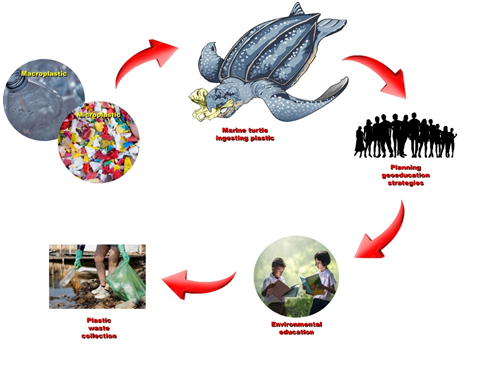
Figure 6. Problems and solutions regarding plastic pollution in the Galápagos Islands.
Conclusions
The Galápagos Islands, recognized for their exceptional geodiversity and biodiversity, face significant challenges arising from the impacts of tourism and plastic pollution. The proposed geo-tourism and geo-education strategies, based on responsible practices and community participation, offer promising solutions. By adopting sustainable tourism models that prioritize conservation, cultural heritage, and visitor education, the aim is to safeguard the natural treasures of the islands for future generations. Recognizing the interconnectedness of geological, biological, and cultural aspects, these strategies present a holistic approach to addressing the complex challenges faced by the Galápagos Islands. While working towards a harmonious coexistence between tourism and conservation, incorporating technological advancements and fostering community collaboration, it is possible to strive in order to ensure the long-term preservation of this unique natural heritage. The urgent need to mitigate plastic pollution further underscores the need for comprehensive, global efforts to protect marine ecosystems and maintain the delicate balance of the Galápagos Islands.
Acknowledgements
We wish to express our deep gratitude to UNESCO for their continued support and recognition of the Galápagos Islands as a site of global importance. Our sincere thanks to the Galápagos National Park Service (GNPS) and the Charles Darwin Foundation (CDF) for their invaluable collaboration, as well as to the local communities, tour guides, and colleagues from research institutions. This project was made possible through the financial support of [name of the funding institution]. Taken together, this article represents a collaborative effort, and we sincerely thank all those who contributed to its creation, leaving a lasting impact on the understanding and conservation of the Galápagos Islands.
References
Argus, D.F., Gordon, R.G., De Mets, C. (2011). Geologically current motion of 56 plates relative to the no-net-rotation reference frame. Geochemistry, Geophysics, Geosystems 12, Q11001.
Asamblea Nacional del Ecuador. (2015). Ley Orgánica de Régimen Especial de la Provincia de Galápagos. Registro Oficial No. 520, Segundo Suplemento. https://www.galapagos.gob.ec/wp-content/uploads/downloads/2017/01/Ley_organica_de_regimen_especial_de_la_provincia_de_galapagos_ro_2do_s_11_06_2015.pdf
Bensted-Smith, R., Allnutt, T., Branch, G., Bustamante, R., Causton, C., Dinerstein, E., Powell, G., Snell, H., Tye, A., Wellington, G.M., Witman, J. (2002). Summary of the vision for conservation of Galapagos biodiversity and the issues central to its achievement. pp. 107–115.
Buddenhagen, C.E., Renteria, J.L., Gardener, M., Wilkinson, S.R., Soria, M., Yanez, P., Tye, A., Valle, R. (2004). The control of a highly invasive tree Cinchona pubescens in Galápagos. Weed Technology 18, 1194-1202
Carrion-Mero, P., Herrera-Franco, G., Briones-Bitar, J., Sánchez-Padilla, C. (2018). La Geodiversidad, una componente de desarrollo sostenible. Journal of Science and Research: Revista Ciencia e Investigacion 3, 36-42. https://doi.org/10.26910/issn.2528-8083vol3issICCE2018.2018pp45-52p
Dirección del Parque Nacional Galápagos (2014). Plan de Manejo de las Áreas Protegidas de Galápagos para el Buen Vivir. Puerto Ayora, Galápagos, Ecuador, 209p. Retrieved from https://www.galapagos.gob.ec/wp-content/uploads/downloads/2016/07/DPNG_Plan_de_Manejo_2014.pdf
Dueñas, A., Jiménez-Uzcátegui, G., Bosker, T. (2021). The effects of climate change on wildlife biodiversity of the galapagos islands. Climate Change Ecology. Climate Change Ecology 2, 100026.
Geist, D.J., Bergantz, G., Chadwick Jr., W.W. (2014). Galápagos magma chambers. In: Harpp, K.S., Mittelstaedt, E., d'Ozouville, N., Graham, D.W. (Eds.), The Galápagos: A Natural Laboratory for the Earth Sciences. Geophysical Monograph 204, American Geophysical Union, Washington, DC, pp. 55–69.
Gélvez-Chaparro, J., Barajas-Rangel, D., Zafra-Otero, D., Carrillo-Hernández, Y., Archila-Mendoza, A., Díaz-Carreño, J., Arroyave-Camelo, A., Guzmán-Hijuelos, J., Tarazona-Rodríguez, J., Rodríguez-Almeyda, K., Castellanos-Gómez, C., Herrera-Ruíz, J., Lozada-Alvarado, M., Ríos-Reyes, C., Castellanos-Alarcón, O., & Manco-Jaraba, D. (2019). Geoturismo en cavidades kársticas de Santander: una estrategia para la protección del patrimonio natural y cultural asociado a los ecosistemas subterráneos. XVII Congreso Colombiano de Geología y IV Simposio de Exploradores, 952.
Gibson, S.A., Geist, D.G., Day, J.A., Dale, C.W. (2012). Short wavelength heterogeneity in the Galapagos ´ plume: evidence from compositionally diverse basalts on Isla Santiago. Geochemistry, Geophysics, Geosystems 13, Q09007.
Grenier, C. (2007). Conservación contra natura: Las Islas Galápagos. Quito, Ecuador: Universidad Andina Simón Bolívar, Sede Ecuador / AbyaYala / Instituto Francés de Estudios Andinos (IFEA) / Embajada de Francia en Ecuador / Institut de Recherche Pour le Développement (IRD), 463p.
Guézou, A., Trueman, M. (2009). The alien flora of Galapagos inhabitated areas: practical solution to reduce the risk of invasioninto the National Park. In: Wolff, M., Gardener, M. (Eds.), Proceeding of the Galapagos Science Symposium (pp. 179-182).
Hughes, J.D. (2000). Darwin en las Galápagos. Ecosistemas Humanos y Biodiversidad 19, 43-48.
Jaramillo, P., Guézou, A., Mauchamp, A., Tye, A. (2018). CDF Checklist of Galapagos Flowering Plants - FCD Lista de especies de Plantas con flores de Galápagos. Charles Darwin Foundation Galapagos Species Checklist - Lista de Especies de Galápagos de la Fundación Charles Darwin.
Jacobo-Gómez, E., Vega-Mendoza, Y., Manco-Jaraba, D., & Castañeda-Vega, L. (2022). GEOTURISMO: Una alternativa estratégica para la gestión de destinos turísticos sostenibles en el departamento de La Guajira, Colombia (Editorial Gente Nueva (ed.)).
Jones, J.S., Porter, A., Muñoz-Pérez, J.P., Alarcón-Ruales, D., Galloway, T.S., Godley, B.J., Santillo, D., Vagg, J., Lewis, C. (2021). Plastic contamination of a Galapagos Island (Ecuador) and the relative risks to native marine species. Science of The Total Environment 789, 147704.
Kurz, M.D., Rowland, S.K., Curtice, J., Saal, A.E., Naumann, T. (2014). Eruption rates for Fernandina volcano: a new chronology at the Galápagos hotspot center. In: Harpp, K.S., Mittelstaedt, E., d'Ozouville, N., Graham, D.W. (Eds.), The Galápagos: A Natural Laboratory for the Earth Sciences. Geophysical Monograph 204, American Geophysical Union, Washington, DC, pp. 41–54.
Manco-Jaraba, D., Navarro-Becerra, Y., Rojas-Martínez, E., & Mindiola-Gil, R. (2022). Manantial de Cañaverales: una estrategia novedosa para el desarrollo socioeconómico del sur de La Guajira (Colombia), a través de la geoeducación, geoturismo y geoconservación. Revista Ambiental Agua, Suelo y Aire, 13(1), 1–12. https://doi.org/https://doi.org/10.24054/raaas.v13i1.2718
Manco-jaraba, D., Ríos-reyes, C., & Castellanos-Alarcón, O. (2024). The Cacique Upar Valley (Colombia) and Its Surroundings as A Natural and Cultural Setting for The Development of Geotourism and Geoeducation for Geoconservation Purposes. Cuadernos de Geografia: Revista Colombiana de Geografia, 33(1), 248–271. https://doi.org/https://doi.org/10.15446/ rcdg.v33n1.103257
Manco-Jaraba, D., Ríos Reyes, C., & Castellanos Alarcón, Ó. (2023). Geotourism potential and challenges in the Archipelago of San Andrés, Providencia, and Santa Catalina (Colombia). Turismo y Sociedad, 34, 67–110. https://doi.org/10.18601/01207555.n34.03
Marti, M. (2025). Waste at Galapagos: How to Keep the Islands Clean. GLOBAL RECYCLING. https://global-recycling.info/archives/8717
Ramon-Gomez, K., Ron, S.R., Deem, S.L., Pike, K.N., Stevens, C., Izurieta, J.C., Nieto-Claudin, A. (2024). Plastic ingestion in giant tortoises: An example of a novel anthropogenic impact for Galapagos wildlife. Environmental Pollution 340(2), 122780.
Reynolds, R.W., Geist, D., Kurz, M.D. (1995). Physical volcanology and structural development of Sierra Negra volcano, Isabela island, Galápagos archipelago. Bulletin of the Geological Society of America 107, 1398–1410.
Ríos-Reyes, C., Manco-Jaraba, D., & Castellanos-Alarcón, O. (2021). Geotourism Potential and Challenges of the Coastal Region Around Santa Marta (Colombia): a Novel Strategy for Socioeconomic Development. Cuadernos de Geografía:Revista Colombiana de Geografía, 30(1), 106–124. https://doi.org/https://doi.org/10.15446/rcdg.v30n1.81239
Sequeiros, L. (1996). Darwin como geólogo: Sugerencias para la enseñanza de Ciencias de la Tierra. Enseñanza de las Ciencias de la Tierra 4.1, 21-29.
Snell, H., Tye, A., Causton, C.E., Bensted-Smith, R. (2002). Current Status of and Threats to the Terrestrial Biodiversity of Galápagos. In: Charles Darwin Foundation and World Wildlife Fund. 2002. A Biodiversity Vision for the Galápagos Islands. Ed. R. Bensted-Smith. CDF: Puerto Ayora, Galápagos.
Taboada, T., Rodríguez-Lado, L., Ferro-Vázquez, C., Stoops, G., Martínez-Cortizas, A. (2016). Chemical weathering in the volcanic soils of Isla Santa Cruz (Galápagos Islands, Ecuador). Geoderma 261, 160-168.
Tanner, M.K., Moity, N., Costa, M.T., Jarrin, J.R.M., Aburto-Oropeza, O., Salinas-de-Leon, P. (2019). Mangroves in the Galapagos: ecosystem services and their valuation. Ecological Economics 160, 12–24.
Toral-Granda, M.V., Causton, C., Jäger, H., Trueman, M., Izurieta, J.C., Araujo, E., Cruz, M., Zander, K., Izurieta, A., Garnett, S.T. (2017). Alien species pathways to the Galapagos Islands, Ecuador. PLoS ONE 12 (9), e0184379. https://doi.org/10.1371/journal.pone.0184379
Watkins, G., Cruz, F. (2007). Galápagos At Risk: A Socioeconomic Analysis of the Situation in the Archipelago. Galápagos, Ecuador: Charles Darwin Foundation, 19p.
White, W.M., McBirney, A.R., Duncan, R.A. (1993). Petrology and geochemistry of the Galápagos Islands: portrait of a pathological mantle plume. Journal of Geophysical Research: Solid Earth 98, 19533–19563.
WWF and Toyota. (2010). Plan de Manejo de Desechos para las Islas Galápagos. https://awsassets.panda.org/downloads/plan_manejo_desechos_galapagos_mar2010_final.pdf
Zambrano-Monserrate, M.A., Ruano, M.A. (2020). Estimating the damage cost of plastic waste in Galapagos Islands: A contingent valuation approach. Marine Policy 117, 103933.
Zehetner, F., Gerzabek, M.H., Shellnutt, G., Ottner, F., Lüthgens, C., Miggins, D.P., Chen, P.H., Candra, I.N., Schmidt, G., Rechberger, M.V., Sprafke, T. (2020). Linking rock age and soil cover across four islands on the Galápagos Archipelago. Journal of South American Earth Sciences 99, 102500.
1 Oscar Mauricio Castellanos Alarcón
Universidad de Pamplona. E-mail: oscarmca@yahoo.es. ORCID: https://orcid.org/0000-0003-0620-0540. Postal Address: Autopista internacional vía los álamos villa antigua villa del rosario, Norte de Santander, Colombia. Academic profile: Geologist, Master in Geology. He has worked as a lecturer in Mineralogy, Metamorphic Petrology and Field Courses since 2003.
2 Dino Carmelo Manco Jaraba (correspondence author)
Universidad de La Guajira. E-mail: dinomancojaraba@gmail.com. ORCID: https://orcid.org/0000-0001-8506-094X. Postal Address: km 5 vía Maicao, Riohacha, La Guajira, Colombia. Academic Profile: Mining Engineer, Master in Environmental and Energy Management in Organizations. He has worked at the Superintendency of Public Services, National Railways of Colombia and as a professor at the University of La Guajira.
3 Carlos Alberto Ríos Reyes
Universidad Industrial de Santander. E.mail: carios@uis.edu.co. ORCID: https://orcid.org/0000-0002-3508-0771. Postal Address: Sede UIS Guatiguará km 2 vía Refugio, Piedecuesta, Santander, Col. Academic Profile: Geologist, PhD in Applied Sciences. He has worked as a lecturer in mineralogy, metamorphic petrology, and field courses since 1992.
To cite this article: Manco-Jaraba, D. C., Ríos-Reyes, C. A., & Castellanos-Alarcón, O. M. (2025). Prospective geo-tourism and geo-education strategies as a contribution to the geo-conservation of the Galápagos Islands (Ecuador). Journal Luna Azul, (61) 398-446. DOI: https://doi.org/10.17151/luaz.2025.61.16
Esta obra está bajo una Licencia de Creative Commons Reconocimiento CC BY

Código
QR del artículo